Top 5 Growth Categories in U.S. Leisurewear: Sourcing Opportunities for Wholesale Importers
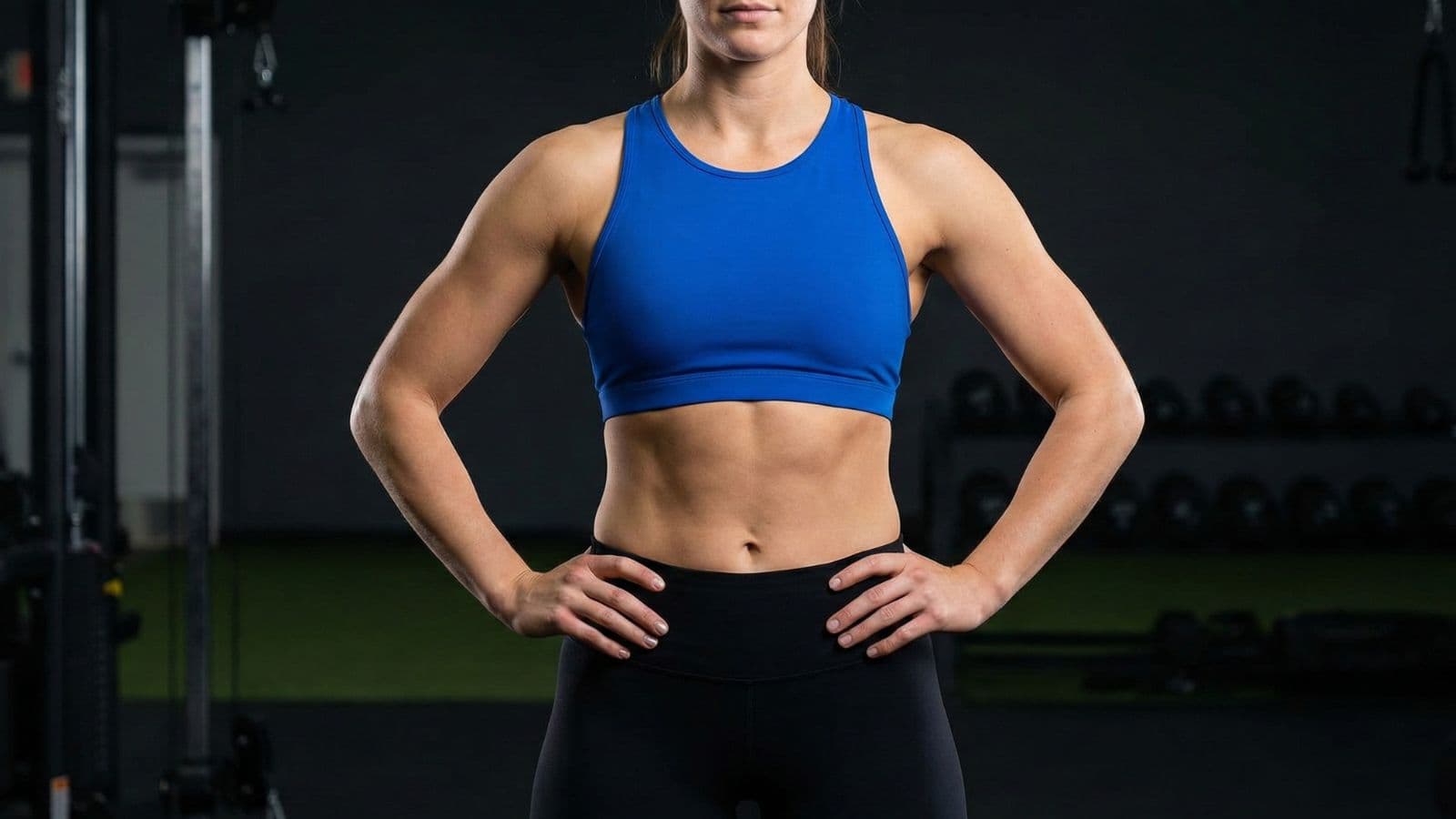
U.S. leisurewear demand has moved well past the pandemic-era sweatpants spike. Buyers are now dealing with a more segmented market — consumers want performance fabrics in casual silhouettes, sustainable materials, and versatile pieces that work across multiple use cases. For wholesale importers, that means sourcing has gotten both more specific and more competitive.
Here are the five leisurewear categories showing the strongest sustained growth and the sourcing considerations that matter most for each.
1. Performance-Fabric Loungewear
Buttery-soft fabrics — modal, bamboo-cotton blends, and four-way stretch jersey — have moved from activewear into everyday loungewear. Wholesale buyers are placing orders for matching sets, wide-leg pants, and relaxed joggers in these materials.
Sourcing notes: China (Guangdong, Fujian) and Vietnam remain the primary production hubs for mid-to-premium knit leisurewear. MOQs for custom fabric compositions typically start at 500–1,000 units per style. Request fabric weight certifications and ask factories for their standard GSM range — loungewear buyers generally target 220–280 GSM for that substantial handfeel. Demand swatches before committing to a bulk order; fabric behavior changes significantly between swatch and cut-and-sew production.
2. Activewear-to-Streetwear Crossover (Athleisure 2.0)
This is the segment where performance construction meets fashion-forward design: biker shorts with cargo pockets, technical hoodies with clean silhouettes, zip-up sets in structured fleece. It's no longer purely gym-driven.
Sourcing notes: Factories producing this category need both a technical sewing capability and design competency. Look for manufacturers in China that have experience with both sportswear brands and fashion wholesale accounts — not just OEM t-shirt production. Ask for their client brand list and inspect stitching on existing samples: flatlock seams, reinforced waistbands, and YKK or equivalent zipper hardware are baseline requirements for this category. MOQs tend to be higher (1,000–3,000 units per colorway) due to fabric minimums.
3. Sustainable and Recycled-Material Leisurewear
Recycled polyester (rPET), organic cotton, and Tencel-blended fabrics are increasingly table stakes for buyers selling into specialty retail and DTC channels. This category is growing because retail buyers — not just end consumers — are mandating sustainability credentials.
Sourcing notes: Vetting claims is the critical step here. Ask factories for GRS (Global Recycled Standard) or GOTS certification documentation — not just a claim on their website. Certified factories are audited; non-certified ones are not. Bangladesh, India, and Portugal have clusters of certified sustainable apparel factories. Lead times tend to run longer (90–120 days) due to certified material sourcing constraints. Factor that into your buying calendar.
4. Oversized and Gender-Neutral Silhouettes
Oversized hoodies, boxy crew necks, and drop-shoulder sets are holding strong in wholesale. The gender-neutral positioning allows buyers to consolidate SKUs — one size run across multiple customer types — which is a genuine inventory advantage.
Sourcing notes: Pattern grading is the key factory competency to vet here. Oversized silhouettes need to be graded correctly or they look cheap at larger sizes. Request a full size-run sample set (not just a medium) before approving bulk production. China and Bangladesh both have strong capacity here at competitive FOB pricing. When negotiating, consolidating colorways (same cut, different colors) is the most effective way to reduce per-unit cost without sacrificing style range.
5. Thermal and Layering Pieces
Quarter-zips, lightweight fleece pullovers, and thermal waffle-knit sets are performing well in wholesale, driven by year-round layering behavior and strong sell-through in cooler-weather markets.
Sourcing notes: Thermal knits require a different factory capability than standard jersey — look for manufacturers with circular knitting or waffle-knit production lines. Not all apparel factories have this. In China, Zhejiang province has a concentration of knitwear-specialized factories. MOQs for custom waffle or thermal constructions often start at 1,000–1,200 units per style. Brushed fleece is more widely available, making it easier to source with lower MOQs if you're testing a new thermal category.
How to Prioritize Your Sourcing Approach
If you're entering or expanding in leisurewear, the practical sequence is:
1. Narrow to one category before spreading across multiple — factories that specialize outperform generalists on quality and lead time. 2. Request and pay for samples before negotiating bulk pricing. Trying to skip sampling to save a few hundred dollars on prototypes is one of the most common and costly mistakes in apparel importing. 3. Build lead time buffers — for any category using specialty fabrics or certified materials, add 3–4 weeks to whatever the factory quotes you. 4. Compare at least three factory quotes for each category before committing. FOB price variance between comparable factories can exceed 20% for the same spec.
The leisurewear market is large enough that there is room for wholesale importers who source deliberately — but the differentiation between buyers who do well and those who get stuck with excess inventory usually comes down to factory selection and sampling discipline, not luck.