U.S. Tariffs and Supreme Court Rulings: Where Importers Stand in August 2026
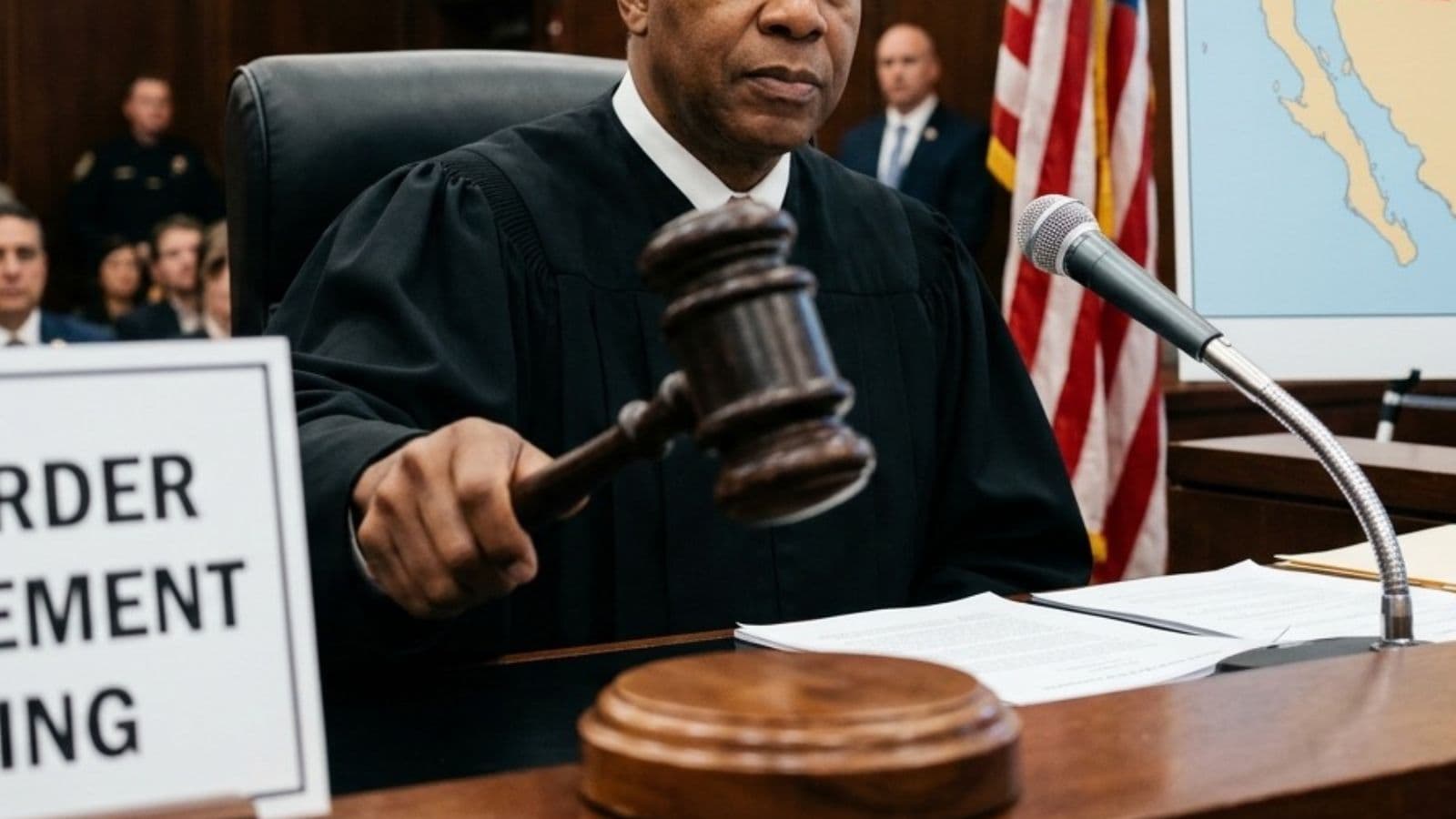
As of August 2026, U.S. importers are operating in one of the most legally and politically complex tariff environments in recent history. The Trump Administration's second-term trade agenda has layered new duties on top of existing ones, while the Supreme Court has begun to weigh in on the constitutional limits of executive tariff authority. Here is where things stand.
The Current Tariff Stack
U.S. importers are now managing multiple overlapping duty regimes simultaneously:
- Section 301 tariffs on Chinese goods remain in place and were expanded in 2025. Most manufactured goods from China face baseline rates of 25%, with categories such as electronics, solar components, and industrial machinery carrying rates of 50% or higher following additional rounds of action under the second Trump Administration.
- Universal baseline tariffs announced in early 2025 — commonly referred to as the "10% global tariff" — apply to imports from most countries not covered by a specific trade agreement. Certain countries subject to reciprocal tariff escalations face higher rates, some in the 25–50% range depending on the product category and the status of ongoing bilateral negotiations.
- Section 232 tariffs on steel and aluminum remain in effect. The 2025 expansion broadened the scope of covered derivative products, meaning importers of finished goods with significant steel or aluminum content face pass-through duties that were not previously applicable.
- USMCA continues to provide preferential treatment for qualifying goods from Mexico and Canada, though rules-of-origin enforcement has tightened. CBP audits of USMCA claims increased substantially in 2025 and that trend has continued into 2026.
The Supreme Court and Executive Tariff Authority
The most significant legal development for importers in 2026 is the Supreme Court's engagement with challenges to the Administration's use of the International Emergency Economic Powers Act (IEEPA) as a basis for tariff imposition.
IEEPA had historically been used for sanctions and asset freezes, not broad-based tariffs. The Administration's use of IEEPA to impose the universal baseline tariffs and certain country-specific reciprocal tariffs was immediately challenged in the Court of International Trade (CIT). The CIT ruled in late 2025 that the Administration's IEEPA-based tariffs exceeded the statutory authority granted by Congress. That decision was appealed, and the Supreme Court agreed to hear the case on an expedited basis.
As of August 2026, the Supreme Court has heard oral arguments but has not yet issued a final ruling. The central question before the Court is whether IEEPA grants the President broad authority to impose tariffs as an economic tool, or whether tariff authority requires more specific congressional delegation. A secondary question involves whether the "major questions doctrine" — established in West Virginia v. EPA (2022) — requires explicit congressional authorization for actions of this economic magnitude.
What this means practically: Importers should not assume IEEPA-based tariffs will be vacated. The Court could affirm the Administration's authority, narrow it, or strike it down entirely. Until a decision is issued, all IEEPA-based duties remain in effect and collectible by CBP.
Classification and First Sale Valuation Are Under Scrutiny
With tariff rates elevated across the board, CBP has significantly increased its focus on two areas:
1. Tariff classification disputes — particularly where importers are using HTS codes that carry lower rates as a way to reduce duty exposure. CBP has issued a wave of binding ruling requests and post-entry audits targeting classification decisions made after the 2025 tariff expansions. 2. First sale valuation — importers who source through trading companies or intermediaries and have been using first sale (manufacturer-to-middleman price) as their customs value are facing increased scrutiny. Documentation requirements are being enforced more strictly.
What Importers Should Be Doing Right Now
- Audit your HTS classifications with a licensed customs broker or trade attorney, particularly for any goods sourced from China or covered by the universal baseline tariffs. Misclassification exposure is significant given current rate levels.
- Model your landed costs under multiple tariff scenarios — including one where IEEPA tariffs are struck down and one where they are upheld. Your sourcing strategy and pricing should be stress-tested against both outcomes.
- Review supplier country of origin documentation. Transshipment enforcement has increased, and CBP is actively targeting goods that are minimally processed in third countries to claim a non-Chinese origin.
- Monitor the Supreme Court docket. A ruling is expected before the Court's term ends. The decision will have immediate and substantial implications for the cost structure of any import program that currently includes IEEPA-based duties.
The legal and regulatory landscape will not stabilize quickly. Importers who treat tariff exposure as a static line item rather than a dynamic risk are likely to face margin surprises. Building flexibility into supplier contracts — including provisions that address significant duty changes — is now standard practice for well-managed import programs.